The History of Artistic Nude Photography – From Daguerreotype to Digital Era (1839–2026)
A Timeless Journey: How the Human Form Became Photography's Most Powerful Muse
The artistic nude in photography is more than images of bare skin — it's a mirror to society's evolving attitudes toward beauty, vulnerability, sexuality, power, and the human condition. Since Louis Daguerre's invention in 1839, photographers have used the camera to capture the body not just realistically, but as sculpture, emotion, abstraction, protest, and desire. What began as private studies for painters exploded into a distinct fine-art genre, battling censorship, moral panic, and technological limits while pushing boundaries of expression. From 19th-century academies to Surrealist distortions, modernist purity, provocative glamour, and today's digital intimacy, this 2000+ word exploration traces the full evolution — key pioneers, movements, controversies, and why, in 2026, the nude remains photography's ultimate artistic challenge and reward.
1. The Dawn: 1839–1880s – Daguerreotypes, Academies & Early Studies
The story starts with the birth of photography itself. Louis Daguerre's 1839 process — silver-plated copper sheets developed with mercury vapor — produced the first commercially viable images: sharp, detailed, one-of-a-kind daguerreotypes. Within months, photographers experimented with the nude, often under the guise of "artistic studies" for painters and sculptors who needed accurate anatomical references without expensive live models.
Early examples include Hippolyte Bayard's ironic 1840 self-portrait as a drowned man (clothed, but setting a staged precedent), and anonymous French daguerreotypes from the 1840s–1850s showing reclining or standing female nudes in classical poses echoing Greek statues or Renaissance paintings. Félix-Jacques Moulin and Bruno Braquehais in Paris pushed further: Moulin's 1850s stereoscopic views and Braquehais' hand-colored nudes blended classical idealism with subtle eroticism. These were sold discreetly, often as "académies" — legitimate art tools — but many crossed into private erotica, leading to arrests (e.g., Moulin in 1851 for "obscene images").
In the 1850s–1860s, wet-plate collodion (faster, cheaper) enabled sharper nudes. Eugène Durieu collaborated with painter Eugène Delacroix on anatomical studies; Thomas Eakins in America photographed male nudes for his paintings. Nadar (Gaspard-Félix Tournachon) shot rare female nudes in the 1860s, including one for Jean-Léon Gérôme's Phryné painting. These works were private, clinical, or allegorical — the nude was justified as science or art, not desire.
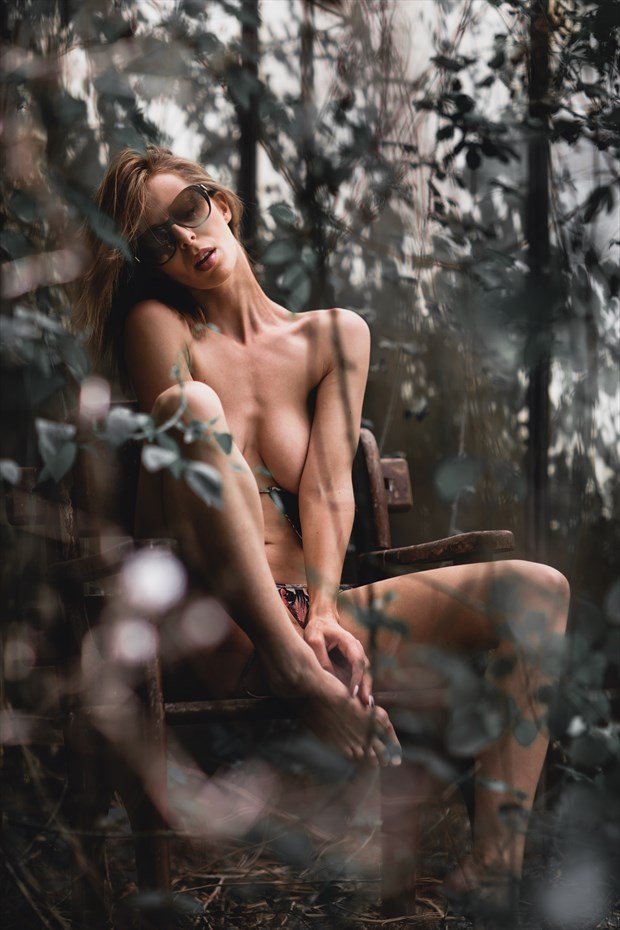
Controversy was immediate: Victorian morality clashed with French permissiveness. In Britain and the US, nudes risked obscenity charges; in Paris, studios thrived but faced raids. By the 1870s–1880s, Eadweard Muybridge's motion studies (nude figures walking, running) added scientific legitimacy, while Oscar Gustave Rejlander's composite "The Two Ways of Life" (1857) shocked with allegorical nudes.
2. Pictorialism & Art Photography: 1890s–1910s – Elevating the Nude to Fine Art
As photography democratized (smaller cameras, easier processes), amateurs from the bourgeoisie rebelled against standardization. Pictorialism (1890–1914) sought to make photography a "fine art" like painting: soft focus, manipulation (gum bichromate, platinum prints), vignetting, hand-retouching. The nude became symbolic — emotional, dreamlike, not literal.
Key figures: Robert Demachy (France) and Frederick H. Evans (UK) used soft-focus for ethereal nudes; F. Holland Day (US) created Symbolist-inspired male nudes influenced by antiquity. In France, Constant Puyo photographed beach nudes with impressionistic haze. Alfred Stieglitz promoted Pictorialism via Camera Work magazine, exhibiting nudes as serious art.
The movement elevated the female form to muse status, often faceless or averted, emphasizing mood over identity. But it also faced criticism for sentimentality. By WWI, Pictorialism waned, giving way to sharper modernism.
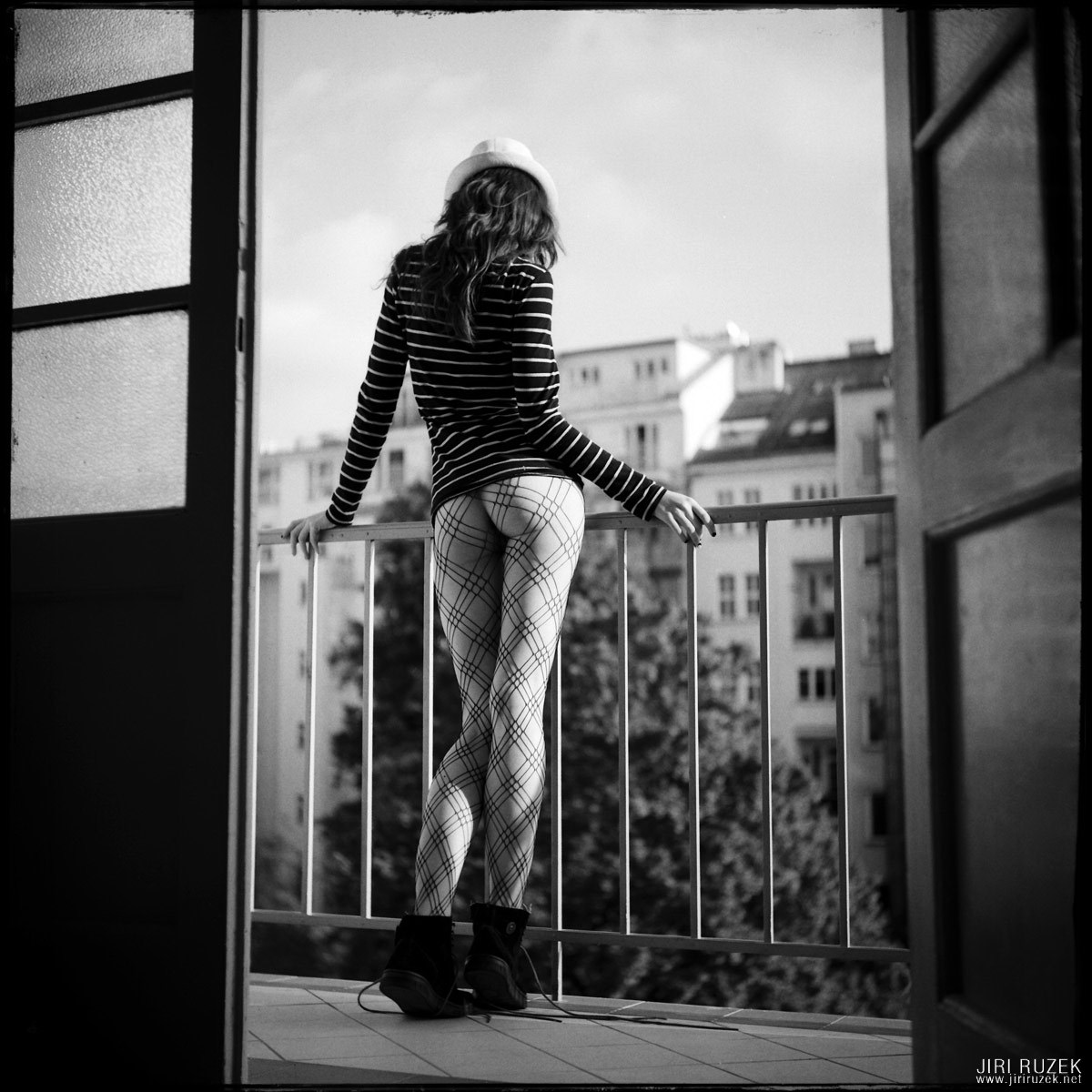
3. Avant-Garde & Modernism: 1920s–1940s – Abstraction, Surrealism & Pure Form
Post-WWI experimentation exploded. Straight photography (sharp focus, no manipulation) and avant-garde movements redefined the nude as form, texture, abstraction.
Edward Weston (US) pioneered pure, sculptural nudes: using large-format cameras, he captured bodies like peppers or shells — timeless, sensual forms (e.g., Charis Wilson series, 1930s). Imogen Cunningham (f/64 group) paralleled human curves with plants, shooting sharp male nudes early on. Man Ray (Paris) brought Surrealism: solarization, rayographs, distorted nudes (e.g., Le Violon d'Ingres, 1924 — Kiki de Montparnasse with f-holes on her back).
In Europe: Bill Brandt's distorted nudes (1940s–1960s) used wide-angle lenses for surreal bodies; Brassaï, André Kertész, Hans Bellmer explored psycho-sexual play. WWII and post-war shifted to intimate, personal nudes (Harry Callahan's wife Eleanor series).
The nude became a vehicle for modernism: body as landscape, emotion, subconscious.
4. Post-War Glamour & Provocation: 1950s–1980s – Fashion, Erotica & Identity
Mid-century: sexual revolution, Playboy era. Helmut Newton (1960s–2000s) revolutionized with bold, empowered female nudes in fashion — high heels, domination themes (e.g., "Sie Kommen", 1981). Peter Lindbergh's raw, natural portraits contrasted with glamour.
Robert Mapplethorpe's explicit male nudes (1970s–1980s) challenged taboos, blending beauty with controversy. Feminist artists (e.g., Sylvia Sleigh reversing male gaze) and conceptual works (Cindy Sherman, Nan Goldin) politicized the body — identity, gender, AIDS crisis.
Sally Mann's intimate family nudes sparked debates on ethics and childhood.
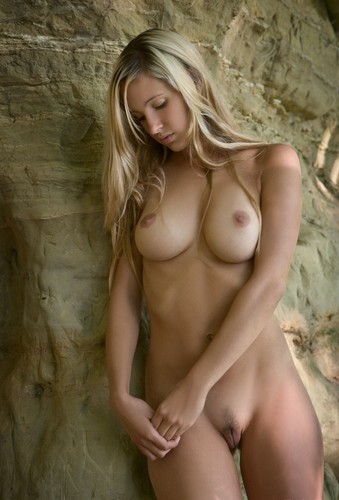
5. Digital Era & Contemporary: 1990s–2026 – Democratization, Diversity & New Frontiers
Digital cameras (1990s–2000s) and smartphones democratized the nude: Instagram, OnlyFans empowered creators. Artists like Rankin, David LaChapelle blended commercial & artistic. Peter Lindbergh's later works emphasized natural aging beauty.
In 2026: AI-assisted editing, VR/AR nudes, body-positivity focus. Diverse voices (non-binary, plus-size, POC models) challenge Eurocentric ideals. Platforms like MetArt continue high-end tradition, while social media blurs art/erotica lines.
Challenges remain: consent, deepfakes, censorship — but the nude endures as celebration of humanity.
From Daguerre's first sparks to 2026's digital dreams, artistic nude photography reflects our deepest fascinations and fears. It has fought censorship, evolved with technology, and celebrated the body as art's eternal muse. On BabesAndBitches.net, we honor this legacy with daily galleries of timeless beauty. Dive into our collections — the history lives on in every frame. What's your favorite era or master? Comment below!