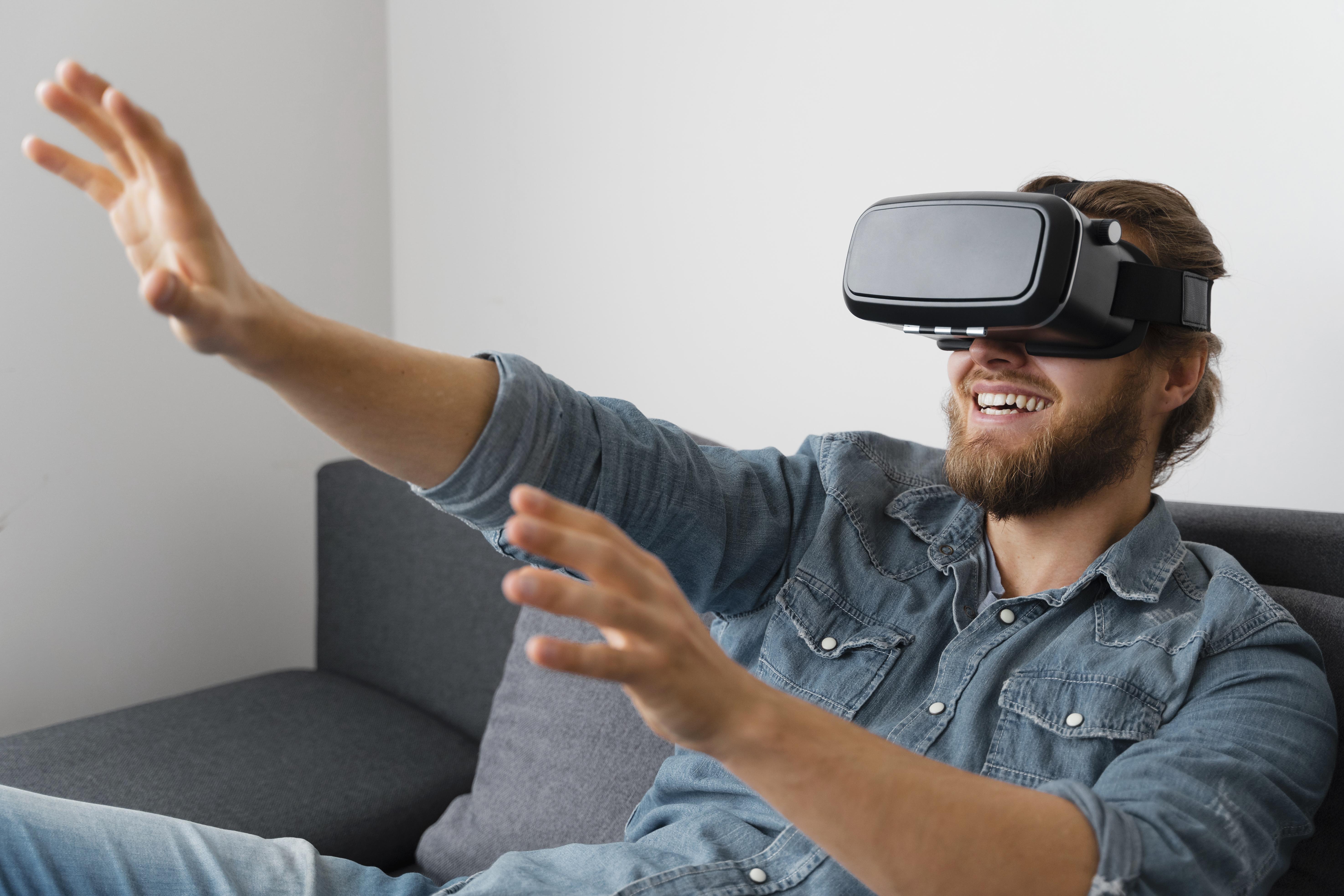
VR stopped being about tech demos the moment people started buying headsets for one or two very specific uses. Some want cockpit sims with accurate panels. Others want guided meditation after work. A different group pays for adult-rated experiences that would never work on a flat screen.
Headset makers watch what actually keeps people coming back. That repeat use then decides which features get the budget first. When thousands of users spend most of their time in a few focused niches, those niches quietly set the roadmap for everyone else.
Adult-focused VR as a real usage pillar
Mature content has been part of every new media wave, and VR is no exception. Platforms like SexLikeReal offer adult VR libraries that lean on high resolution video, careful camera placement and interaction cues tailored specifically to head-mounted viewing. Sessions are usually short, but people return often, which is exactly the pattern hardware teams care about.
This kind of usage stresses comfort, lens clarity and simple controls. Nobody wants to fumble with complex menus in a headset during an intimate scene. That pressure for frictionless design spills into other apps too, from social spaces to story-driven games. When a niche proves that three clicks are enough to reach any scene, slow interfaces elsewhere become hard to justify.
Simulators and training that demand precision
Another strong niche is simulation and skills training. Flight and racing sims use full 6DOF tracking, precise controllers and long sessions. Industrial training apps do something similar with hand tracking and object interaction. A trainee learning machinery in VR needs crisp text, stable tracking and reliable haptics, not fancy menus.
These users push manufacturers toward better lenses, more accurate controllers and lower latency. That investment pays off across the ecosystem. Even adult and wellness apps inherit sharper image quality and more natural hand movement thanks to demands that started with simulators.
A few key niche groups now pull hardware in different directions:
--- Sim enthusiasts who care about tracking accuracy and controller feel.
--- Adult users who value comfort, privacy and very simple navigation.
--- Trainers and enterprises who need reliability, repeatability and clear visuals.
When all three are active, device makers must balance experiments with features that clearly serve at least one of these groups.
Wellness, fitness and the “everyday” headset
Fitness titles and guided wellness apps give headsets a practical role in daily routines. Short boxing rounds, rhythm workouts and breathing sessions are easier to sell than vague promises of immersion. People might play a 12-minute cardio track before work, then use a focus app later in the day.
Data backs the idea that VR is no longer only about games. A growing share of headset owners report using devices for workouts and creative tasks, not just entertainment, according to recent usage statistics. That mix of use cases keeps churn lower because the same headset covers several needs instead of one.
How these niches steer the future of VR
Market studies now expect the combined VR and AR headset segment to reach well into the tens of billions of dollars within the next few years, with strong yearly growth driven by gaming, entertainment, training, healthcare and education, reports note. Standalone headsets like Meta Quest 3 lead that curve, and niche users are the ones exposing the limits of battery life, comfort and tracking.
At the same time, reviewers point out that higher resolution, better spatial audio and mixed reality passthrough in 2025 have made sessions more convincing for a wider range of tasks, from home fitness to remote collaboration, according to industry overviews. Niche content is what actually tests those features under real conditions. When adult apps, sims and wellness tools all lean on the same upgrades, manufacturers know they are building in the right direction.